One of the most haunting aspects of Bloodborne is not its relentless difficulty or grotesque enemies, but the overwhelming sense of tragedy that follows every character you encounter. In the world of Yharnam, no one escapes suffering—not hunters, not scholars, not healers, and not even gods. Each character is shaped by loss, obsession, or irreversible choices, making tragedy a central pillar of Bloodborne’s storytelling.
Rather than presenting heroes and villains, Bloodborne offers broken individuals caught in a nightmare of their own making.
A World Built on Unreachable Salvation
At the heart of Bloodborne lies a cruel promise: salvation through blood. Nearly every character believes that blood—whether medical, holy, or cosmic—can cure illness, grant enlightenment, or transcend human limitations. This belief drives them forward, but it also seals their fate.
Characters pursue blood as a solution to suffering, only to find that it amplifies despair. Their tragedy stems not from ignorance, but from hope placed in the wrong ideal.
Hunters: Heroes Doomed to Lose Themselves
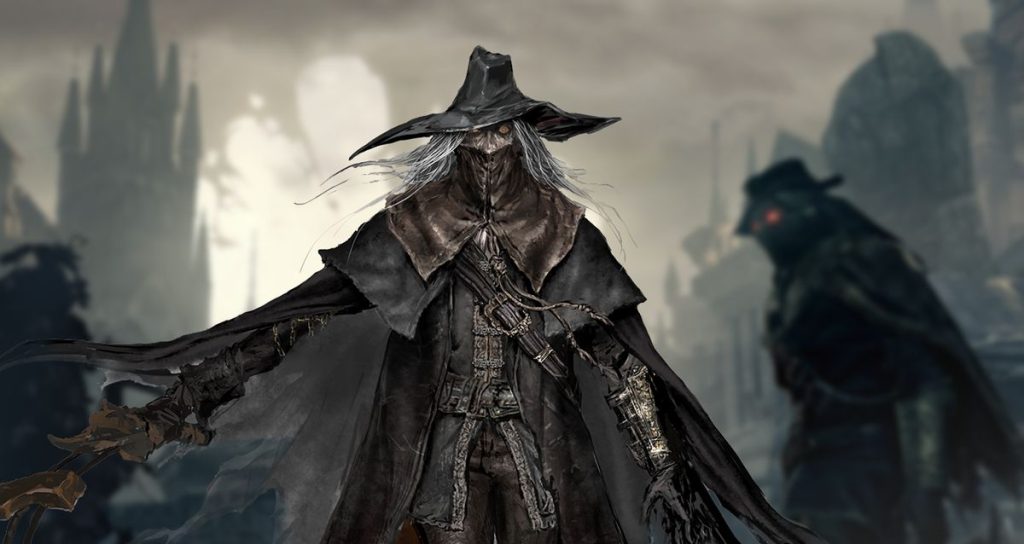
Hunters are often perceived as protectors, yet their existence is inherently tragic. They fight beasts night after night, slowly losing their sanity and humanity. The more they hunt, the closer they come to becoming the very monsters they despise.
Many hunters are forgotten, trapped in cycles of violence with no escape. Their tragic fate lies in endless duty without recognition or reward. Even the player character is not exempt—progress comes at the cost of identity and freedom.
Scholars and the Curse of Knowledge
Characters associated with Byrgenwerth and the Healing Church represent another form of tragedy: the pursuit of forbidden knowledge. Scholars sought to understand the Great Ones, believing that insight would elevate humanity.
Instead, knowledge shattered their minds. The more they learned, the less human they became. Eyes replaced reason, and curiosity turned into madness. Their downfall reflects a recurring theme in Bloodborne: some truths are not meant to be understood.
Their tragedy is intellectual arrogance—believing the human mind could comprehend the infinite.
The Healing Church: Faith Turned Corruption
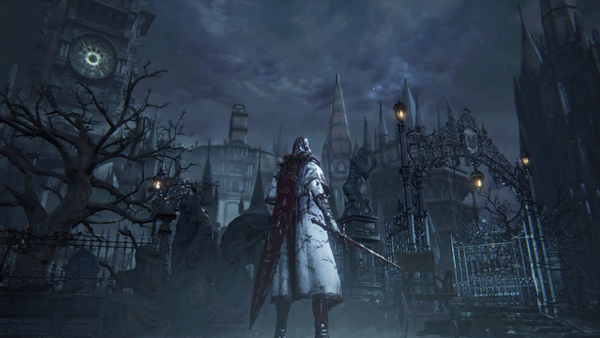
Members of the Healing Church began with good intentions. They wished to heal the sick and protect Yharnam. However, their blind faith in blood ministration led to widespread suffering.
Characters tied to the Church often display deep internal conflict. They are aware of the horrors they helped create, yet feel powerless to undo them. Their tragedy is moral compromise—choosing results over ethics, until ethics disappear entirely.
The Church’s downfall demonstrates how institutions can become monstrous while still believing they are righteous.
Victims of Transformation
Many characters in Bloodborne are tragic simply because they had no choice. Townsfolk, patients, and followers were consumed by the beastly plague or warped by cosmic influence.
These individuals are not villains. They are victims of systems beyond their control. Their transformation into monsters is portrayed as painful, confusing, and lonely, emphasizing the cruelty of Yharnam’s world.
This form of tragedy is the most heartbreaking—loss of self without consent.
The Great Ones and Cosmic Loneliness
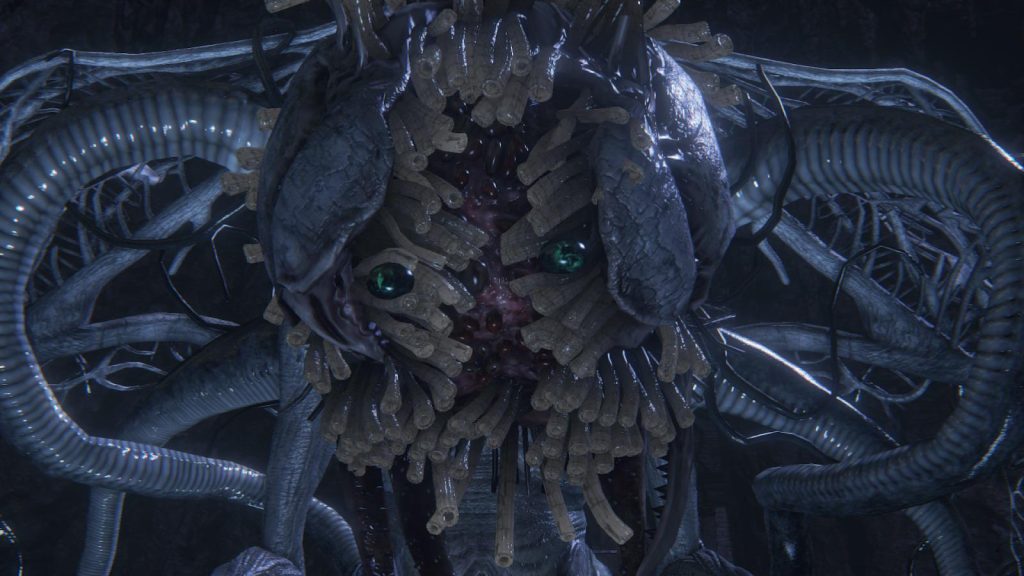
Even the Great Ones, often perceived as godlike beings, are not free from tragedy. They exist beyond human understanding, yet suffer from isolation, failed reproduction, and existential loss.
Their interactions with humanity are desperate attempts to connect or create meaning. This cosmic loneliness adds a layer of sorrow to the game’s horror, reminding players that power does not guarantee fulfillment.
In Bloodborne, even gods are incomplete.
Choice Without Escape
A defining element of tragedy in Bloodborne is the illusion of choice. Characters believe they are acting freely, but every path leads to suffering. Whether one seeks power, knowledge, healing, or redemption, the outcome remains grim.
This design reinforces the idea that tragedy is woven into the fabric of the world itself. No individual decision can undo a system built on obsession and denial.
Environmental Storytelling of Loss
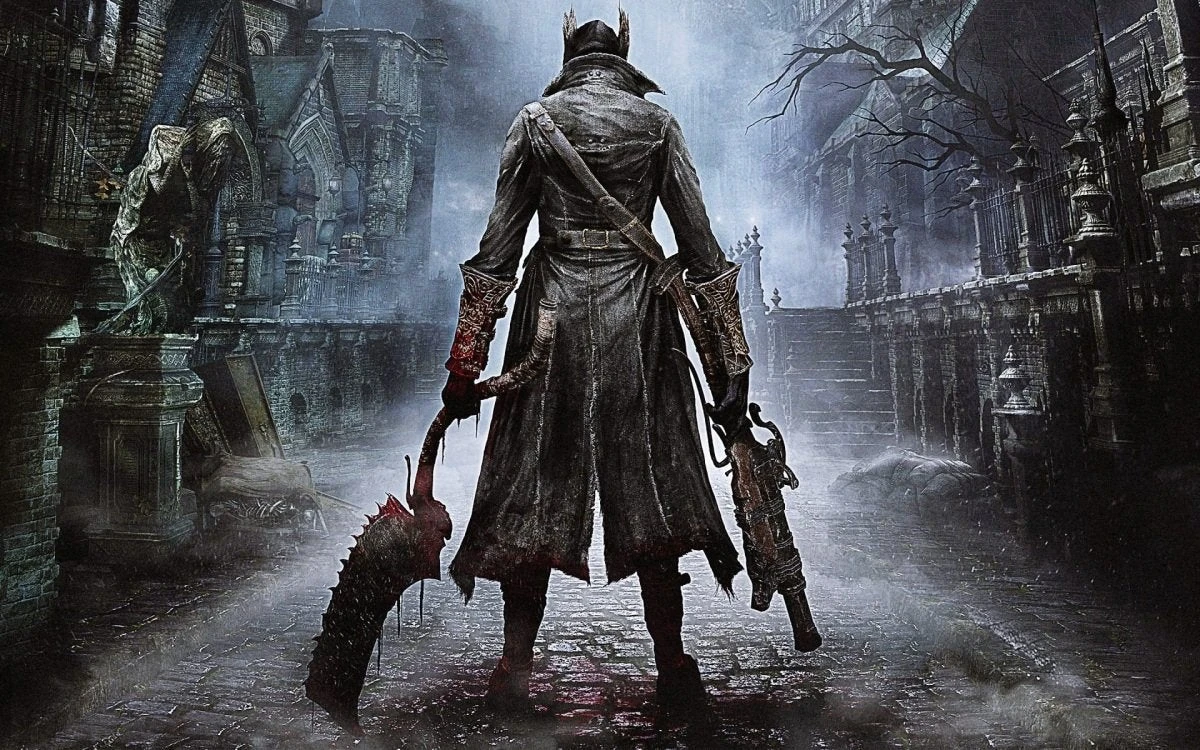
Bloodborne communicates tragedy not through lengthy dialogue, but through environment and implication. Abandoned homes, empty wheelchairs, bloodstained clinics, and forgotten notes tell silent stories of lives destroyed.
Characters often disappear or die without closure, reinforcing the theme that tragedy does not always offer resolution. Loss simply becomes part of the landscape.
Why Tragedy Defines Bloodborne
Tragedy in Bloodborne is not incidental—it is essential. The game argues that suffering is the cost of humanity’s refusal to accept limits. Every character’s downfall serves as a warning about obsession, pride, and denial.
Rather than glorifying despair, Bloodborne invites reflection. It asks whether transcendence is worth the loss of self, and whether ignorance might sometimes be mercy.
Final Thoughts
Every character in Bloodborne carries a tragedy because the world itself is broken at its core. From hunters and scholars to gods and victims, all are trapped by their desires and beliefs. Their suffering gives Bloodborne its emotional weight, transforming horror into something deeply human and unforgettable.
In Yharnam, tragedy is not an exception—it is the rule.
👉 If you are a devoted Bloodborne fan drawn to its tragic characters and haunting themes, explore Bloodborne-inspired apparel, accessories, and collectibles at: blood-borne.store. Carry the dark beauty and emotional depth of Bloodborne’s world into your own collection.
